WHAT IS GEKIKEN?
撃剣 - Gekiken
The term Gekiken has been used in different ways throughout Japanese history, and its meaning has shifted depending on context and period.
In some instances, it functioned as a term broadly interchangeable with kenjutsu, referring to swordsmanship in general. In other contexts, it was also used to describe a form of training aimed at testing one’s skills through direct confrontation.
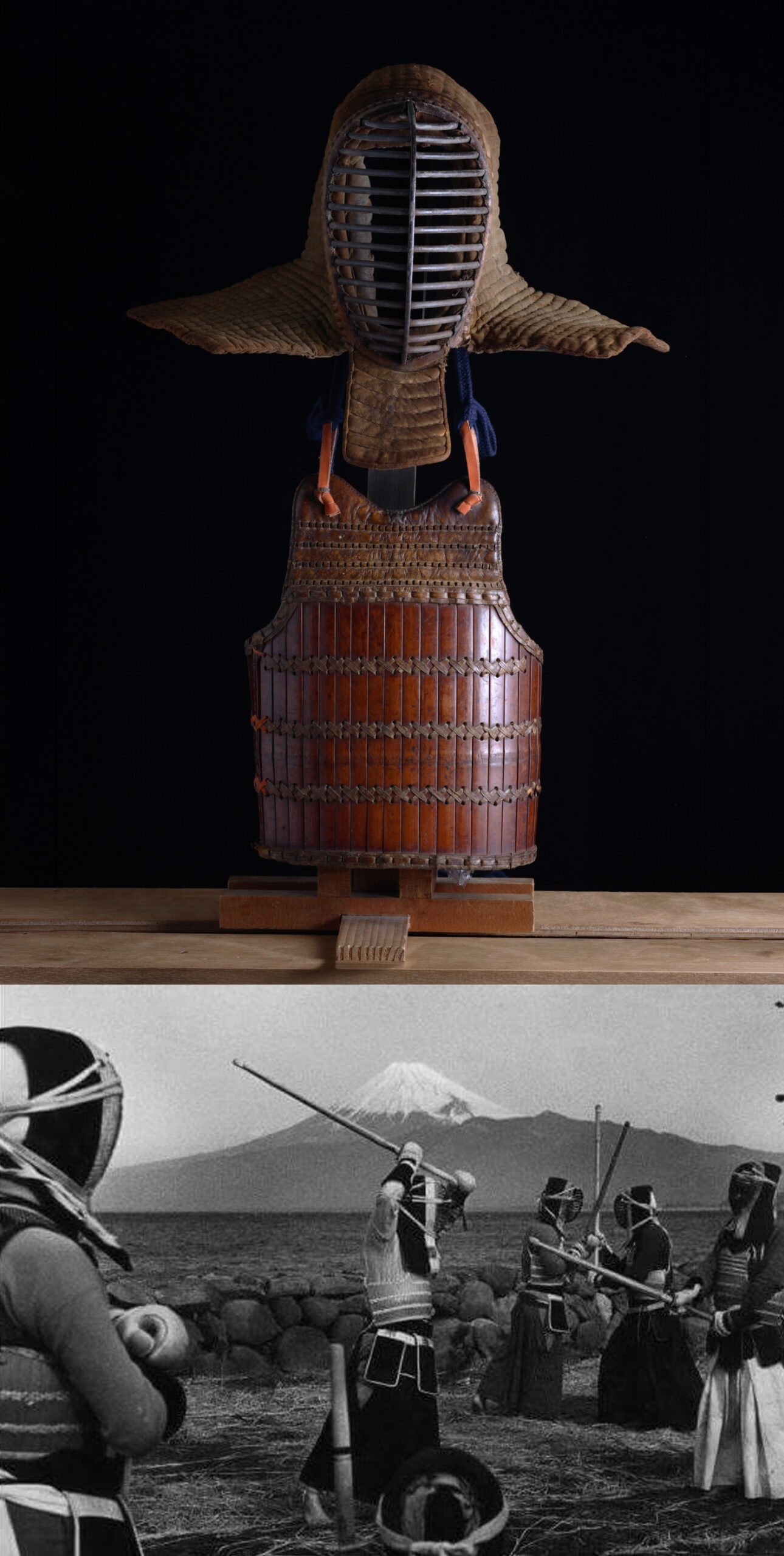
From around half of the 19th century, as the use of the shinai (竹刀) and protective armor known as bogu (防具) became more widespread, Gekiken increasingly referred to such encounters carried out with training weapons and protective equipment, allowing sustained and realistic confrontation while reducing the risks associated with direct combat.
Over time, Gekiken came to be valued as an important way of testing technique in a realistic yet controlled manner.
At the Tokyo Gekiken Club, Gekiken is understood not as a competitive sport, but as a framework for free training in which classical sword principles are examined under conditions of direct and unscripted engagement. It is practiced freely, regardless of specific styles or lineages, as a shared space where practitioners test and refine their abilities. The shinai is understood to represent a real blade, and exchange takes place with mutual respect, responsibility, and safety, without formal refereeing or point-based rules.
Origins
Gekiken developed within a historical context in which bugeisha (martial artists) trained with real blades or bokuto and instruction centered on structured forms known as kata. While kata allowed for systematic transmission of technique, testing those techniques in actual combat carried the risk of serious injury or death.
After the Sengoku period, as Japan entered prolonged peace during the Edo era, opportunities for battlefield experience diminished. In many traditions, practice shifted increasingly toward more formalized expressions of technique.
Under these circumstances, a method was required to maintain and re-examine the practical aspects of swordsmanship training, leading to a pursuit of greater realism.
From around the 18th century, some schools began using the shinai (竹刀), a bamboo training sword, together with protective equipment that would later develop into bogu (防具).
As a result, Gekiken became a way to strengthen practical combat ability through safer yet realistic engagement, enabling practitioners to refine technique, test tactics, and cultivate fighting spirit.
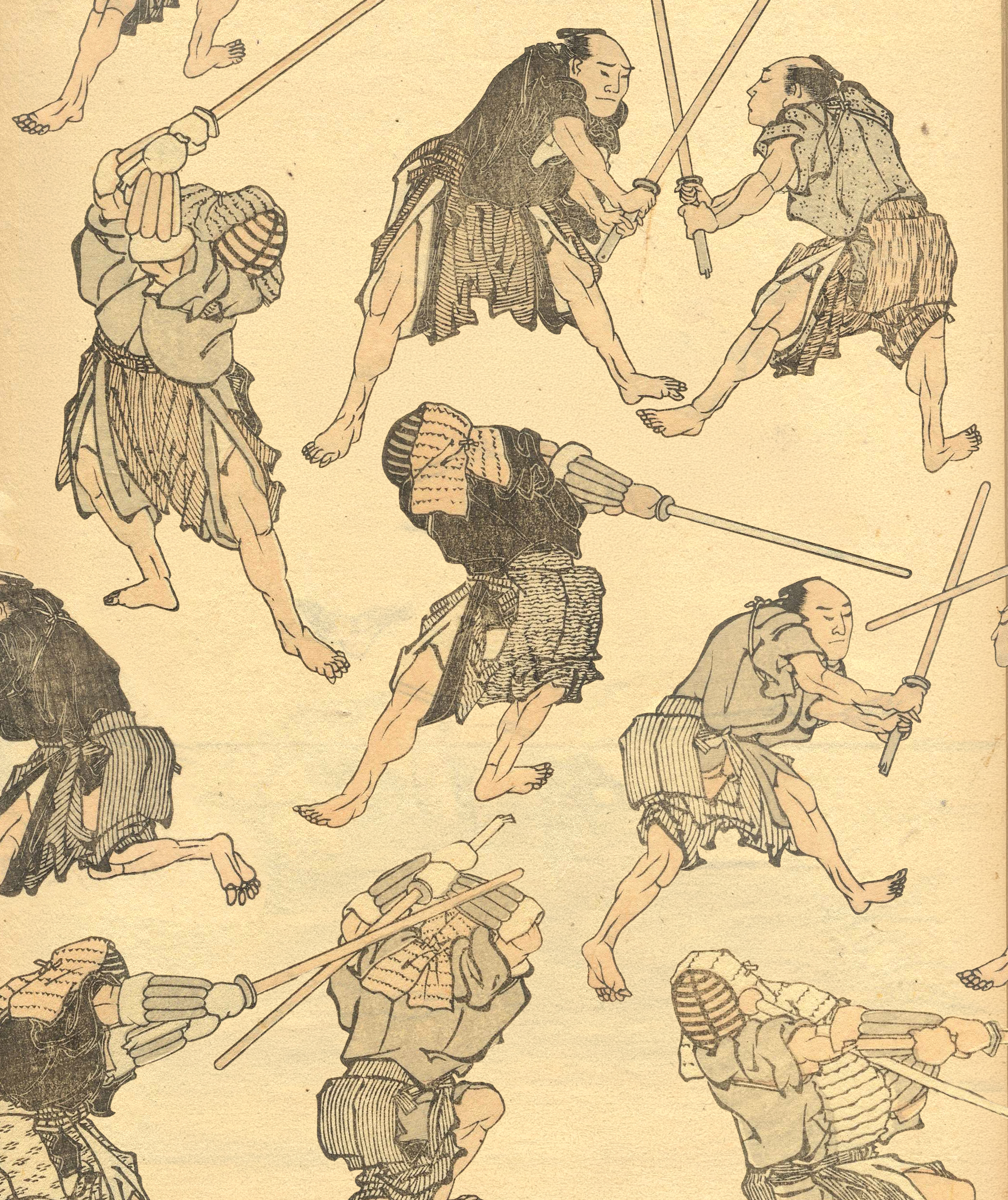
This is a concise overview of its origins. Those interested in a deeper historical study of kenjutsu and the evolution of Gekiken are invited to read the full article below.
Why practice Gekiken?
Many major sword schools adopted Gekiken to test and apply techniques under more realistic conditions.
At the time, different perspectives emerged. Some schools emphasized free exchange, believing that true sword skill could only be refined through actual application. From this viewpoint, criticism was directed at schools referred to as “Kaho Kenpō” (花法剣法), a term describing a sword method seen as beautiful and ornamental like a flower, but overly dependent on form and considered less effective in real combat.
Others chose not to adopt shinai training, believing that martial proficiency could be fully developed through disciplined kata practice, that spiritual aims were attainable only through kata, or that the shinai could not truly simulate actual combat.
Ultimately, Gekiken serves as a practical investigation of martial method, allowing practitioners to examine whether what they practice is correctly understood and truly effective. This question remains central today in the martial arts world, in the debate between free practice and formal training.
At the Tokyo Gekiken Club, we aim to balance these perspectives, approaching Gekiken not as striking for its own sake, but as a process of trial and error in which skills refined through kata are tested in free and dynamic exchange.
Development of Bogu and Shinai
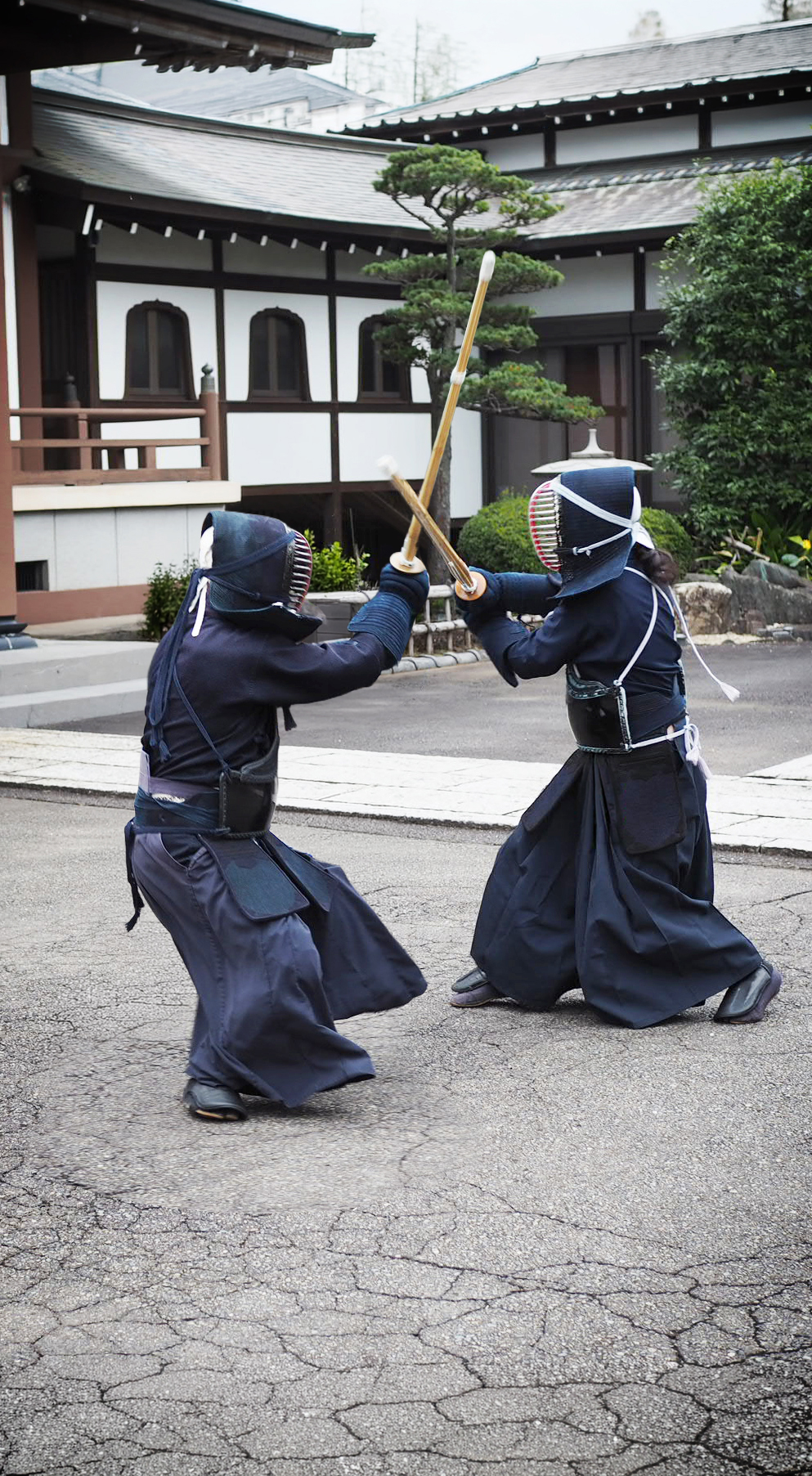
The introduction of protective armor and the shinai marked a major development in Gekiken practice. Early forms appeared in the 18th century, but it was in the 19th century that they evolved into the structured shinai and bogu used today.
Before the modern shinai, Kamiizumi Nobutsuna of Shinkage-ryū devised the fukuro-shinai, a bamboo weapon covered in leather or cloth. It preserved the sensation of striking while improving safety and influenced the later development of the shinai, encouraging freer weapon-based practice.
Before armor became widespread, training focused mainly on kata with wooden swords. Inter-school encounters using wooden or unsharpened blades were not uncommon and often resulted in serious injury. As equipment improved, sustained free-striking practice became increasingly possible.
By the late Edo period, protective gear had developed enough to support regular free exchange, and Gekiken (shinai kenjutsu) flourished from the late Edo through the Meiji era, eventually paving the way for the development of modern Kendo.
During the 20th century, bogu was also adopted in other disciplines such as naginata-dō, jūkendō, tankendō, and certain forms of kenpō.
Today, bogu and shinai remain indispensable to Japanese martial arts. Through continuous refinement in materials and design, they have become reliable equipment that enables realistic practice while maintaining safety.